
The Mystery of the Monster and the Expedition
Twenty Thousand Leagues Under the SeaTraces the global panic over the unidentified sea monster, the scientific debate, and the mounting of the Abraham Lincoln expedition.
increasing Bearing strength in each event
 decreasing
Bearing strength in each eventdecreasingFirst Sightings
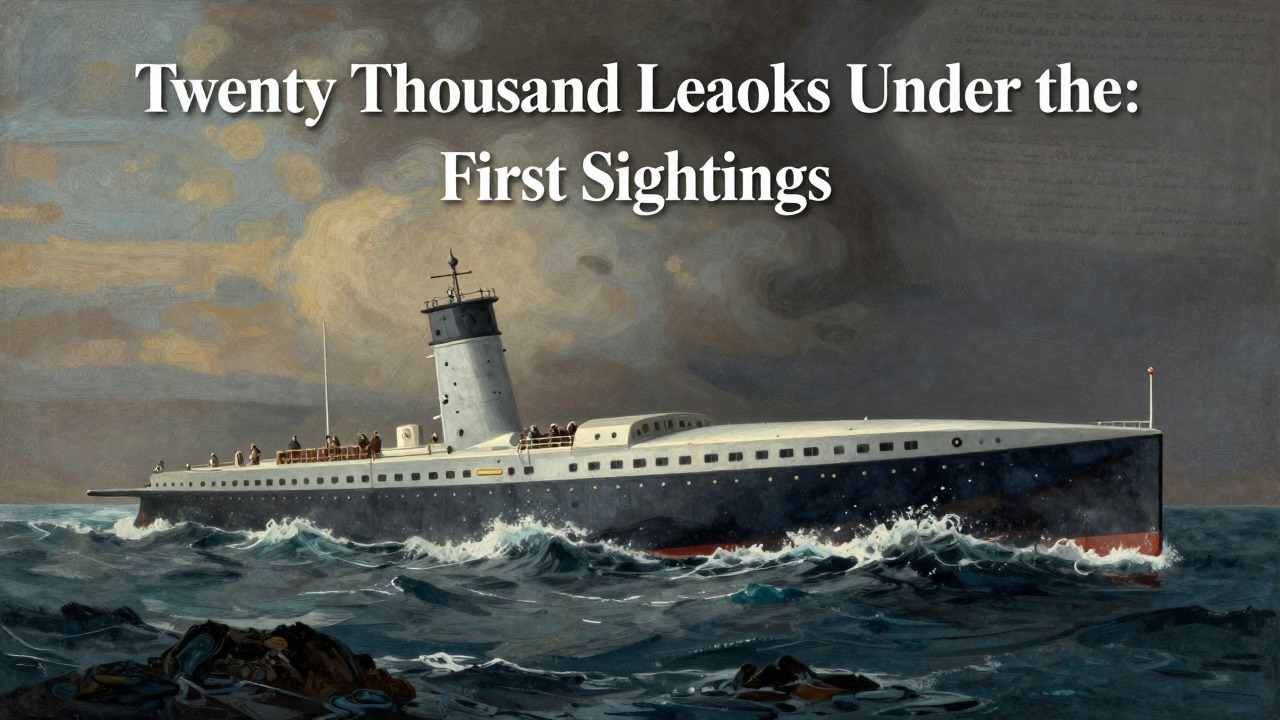
The First Sightings
Encounter Reports
In July 1866, the steamer Governor Higginson encountered a long, spindle-shaped object off the eastern coast of Australia. Captain Baker initially thought it was a reef, but two waterspouts shot from it, proving it was a living creature. Days later, the Christopher Columbus sighted the same object in the Pacific, demonstrating its remarkable speed.
Global Stir
These reports ignited public fascination. Newspapers debated whether it was a giant narwhale, a sea serpent, or something else. The scientific community was divided, with some dismissing the phenomenon as a hoax. However, the frequency of sightings and the collisions with ships like the Scotia forced serious attention.
The Scotia Incident
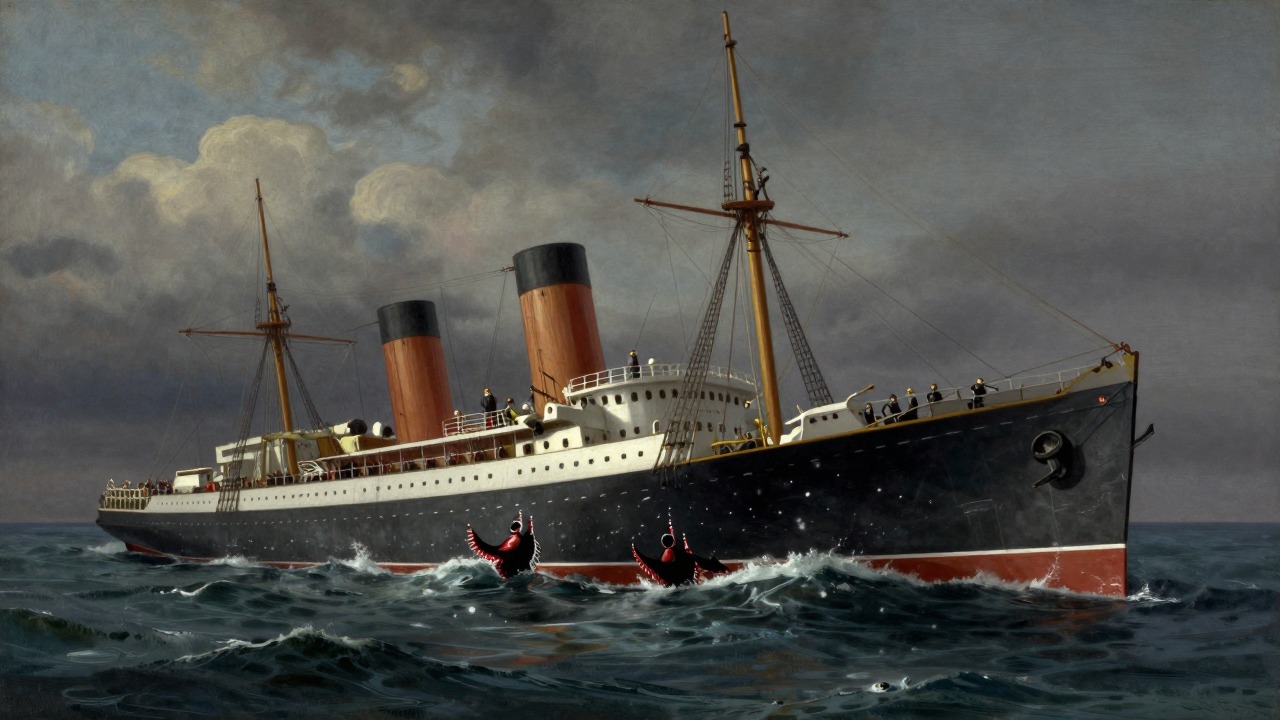
The Scotia Incident
The Collision
On April 13, 1867, the Cunard liner Scotia was struck while in the Atlantic. The impact was so powerful that it created a symmetrical gash in the hull, two meters wide, shaped like an isosceles triangle. The ship was forced to limp to port, and the incident proved the monster was a real threat to navigation.
Public Reaction
This event galvanized public opinion. The insurance companies raised premiums, and governments began to take action. The monster was now seen as a danger to international trade and travel.
Public Outcry
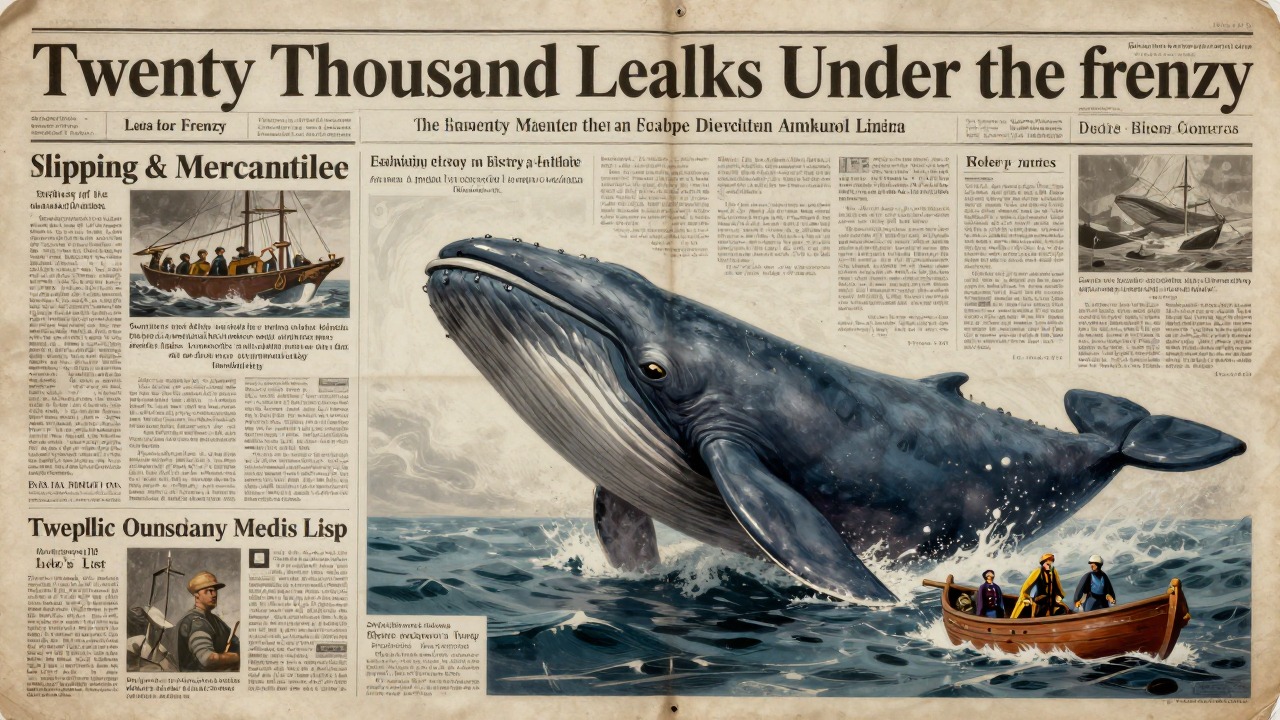
Public Outcry
Media Frenzy
Newspapers across Europe and America covered the story obsessively. The Shipping & Mercantile Gazette and Lloyd's List demanded action. The possibility of a giant narwhale or an underwater boat was debated. Some proposed a military expedition to destroy the creature.
Government Response
The United States government decided to fit out a frigate, the Abraham Lincoln, to hunt the monster. Commander Farragut was put in charge, and a reward was offered for the first sighting. The expedition was to depart from New York.
Aronnax's Article
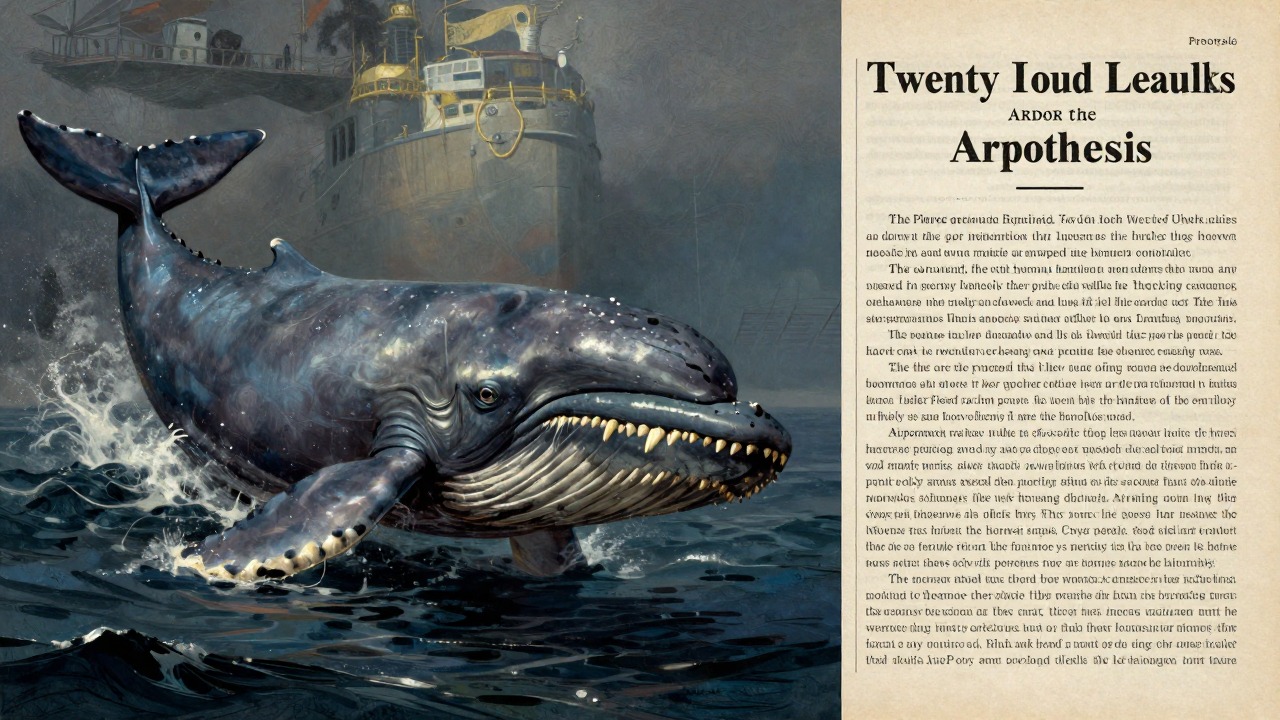
Aronnax's Article
The Professor's Hypothesis
Professor Pierre Aronnax, a renowned naturalist, published an article in The New York Herald. He argued that the monster was likely a giant narwhale, armed with a powerful tusk capable of piercing iron hulls. His article was widely read and influenced public opinion.
Invitation to Join
Shortly after, Secretary of the Navy J. B. Hobson invited Aronnax to join the Abraham Lincoln expedition as France's representative. Aronnax accepted, seeing it as a unique scientific opportunity.
Departure of the Abraham Lincoln
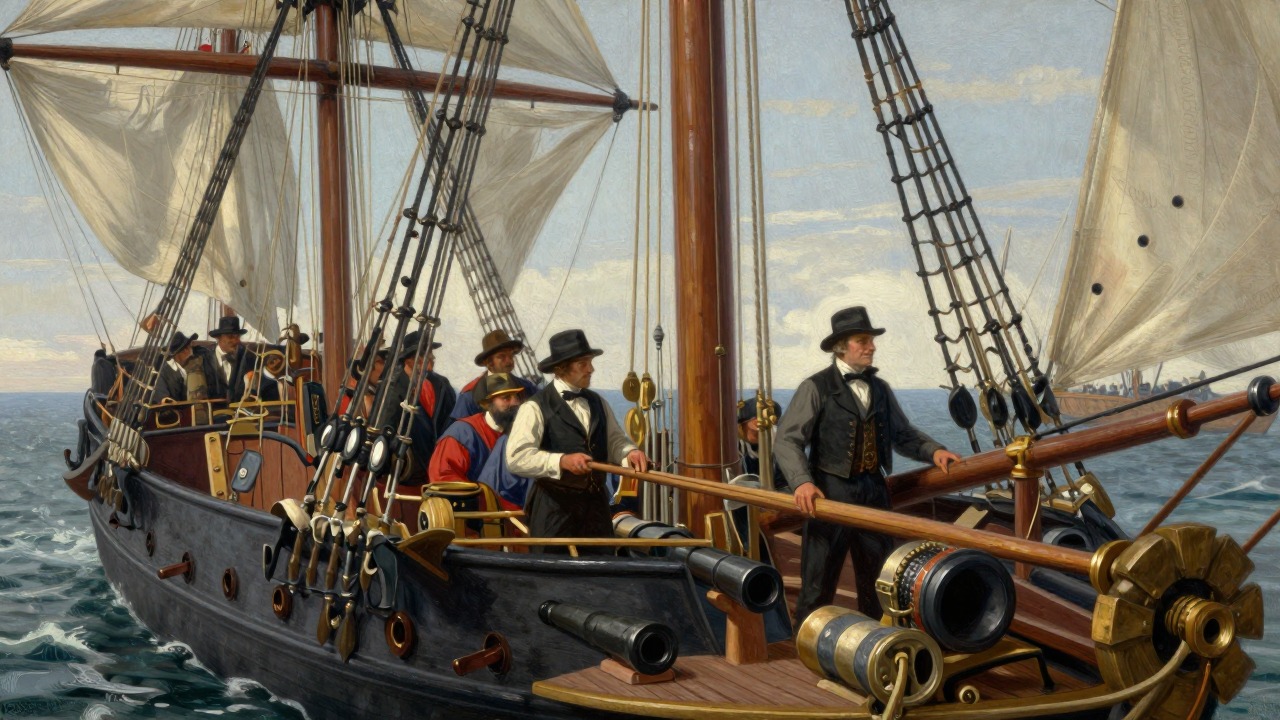
Departure of the Abraham Lincoln
Final Preparations
The frigate was armed with harpoons, guns, and a special cannon. The crew was eager, and the Canadian harpooner Ned Land was hired for his skill. Aronnax and his servant Conseil boarded the ship.
Setting Sail
On the day of departure, a huge crowd gathered to cheer. The Abraham Lincoln steamed out of New York harbor, heading for the Pacific where the monster had last been reported. The hunt was on.
1866年7月
1867年4月13日
1867年4月
1867年4月30日
1867年6月
